
How to Import Sunflower Oil from Turkey: A Step-by-Step Guide for Buyers
Sunflower oil is one of the most traded cooking oils in the world, and Turkey is one of the most practical places to buy it. The country has a large refining and bottling industry close to the Black Sea sunflower belt, and it ships refined oil every week to buyers across the Middle East, Africa, Europe and Asia. This guide walks importers and distributors through the whole process, from choosing the right oil to receiving the container.
Why buy sunflower oil from Turkey?
- Location. Turkish refineries sit between the main sunflower growing regions and the main import markets, which keeps transit times short to the Mediterranean, the Gulf, Africa and Europe.
- Packaging choice. Turkish packers fill everything from 1 litre retail bottles to bulk flexitanks, so one supplier can serve supermarkets, wholesalers and food factories.
- Private label. Many buyers order oil under their own brand, with labels printed in their market’s language.
Step 1: Decide which oil you need
Refined sunflower oil is what most buyers want. It has been refined, bleached and deodorised, so it is clear, light golden, neutral in taste and suitable for frying, baking and salad dressings. Crude sunflower oil is sold to refineries and industrial users who process it further. High-oleic sunflower oil is a premium grade that is more stable at high temperatures and is popular with snack and food manufacturers. Be clear about which type you need before you ask for prices, because they are priced very differently.
Step 2: Choose your packaging
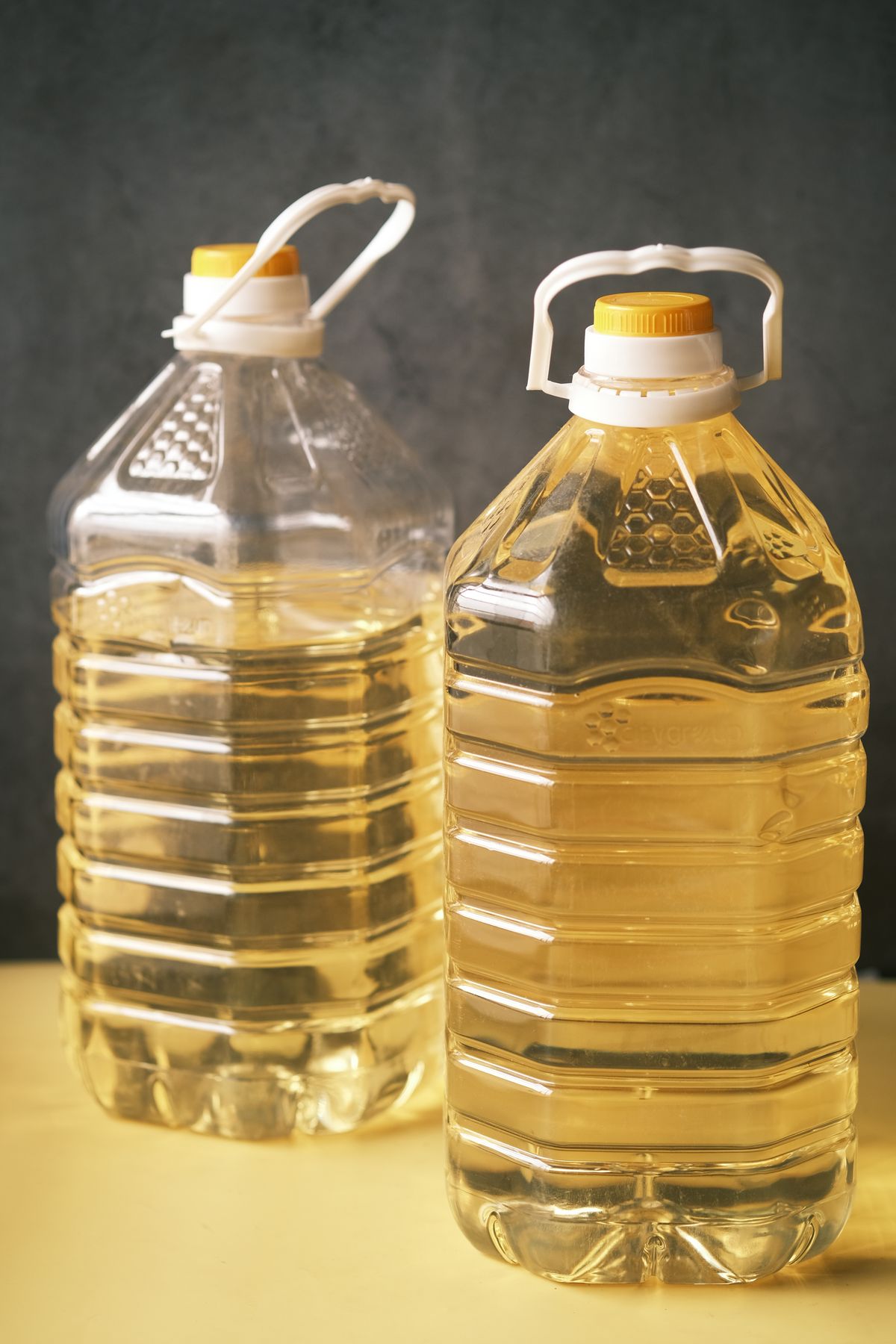
- PET bottles: 1 L, 2 L and 5 L are the most common sizes for retail, packed in cartons.
- Tins and jerrycans: 5 L to 20 L, popular with restaurants and food service.
- Bulk: flexitanks or IBC containers for bottlers and food factories.
As a rough guide, a 20ft container carries around 18–20 tonnes of bottled oil, depending on the bottle size and how the cartons are palletised. Ask your supplier for the exact number of cartons per container for the packaging you choose.
Step 3: Agree on the specification
Always agree the quality specification in writing before you pay. These are the main parameters buyers check for refined sunflower oil, with typical values based on the Codex Alimentarius standard for vegetable oils:
| Parameter | Typical value for refined oil |
|---|---|
| Free fatty acids (as oleic acid) | 0.1% maximum |
| Peroxide value | 10 meq O2/kg maximum |
| Moisture and volatile matter | 0.1% maximum |
| Iodine value | 118–141 |
| Appearance | Clear and bright, light golden |
Ask for a certificate of analysis for each shipment. For large orders, many buyers also pay an independent inspection company to sample the oil at loading.
Step 4: Choose your shipping terms
The Incoterms you agree decide who pays for what, and who carries the risk at each stage:
- FOB (Free on Board): the supplier delivers the goods onto the ship in the Turkish port. You arrange and pay for sea freight and insurance.
- CFR (Cost and Freight): the supplier also pays the sea freight to your port, but the risk passes to you once the goods are on board.
- CIF (Cost, Insurance and Freight): like CFR, but the supplier also buys insurance for the sea journey.
First-time importers often find CFR or CIF easier, because the supplier books the ship. Experienced importers with their own freight forwarder often prefer FOB. For a fuller comparison, read our guide FOB, CFR or CIF? Choosing shipping terms when buying from Turkey.
Step 5: Check the export documents
A normal sunflower oil shipment comes with:
- Commercial invoice and packing list
- Bill of lading
- Certificate of origin
- Certificate of analysis
- Health or food safety certificate, where your country requires it
- Halal certificate, if your market requires it
Check with your customs broker which documents your country needs before the goods are shipped. Missing paperwork is the most common reason containers get held at the port.
Step 6: Check your import rules
Refined sunflower oil is usually classified under HS code 1512.19. Use it to look up the import duty and any licences in your country. Also check labelling rules: many markets require the product name, ingredients, net volume, best-before date and importer details in the local language, and some require food products to be registered before sale.
Step 7: Verify your supplier before you pay
Unfortunately, the edible oil trade attracts fake sellers. Before you send money, ask for the company’s registration details and address, speak to the supplier by phone or video call, ask for photos or a video of the product and packaging, and start with a trial order if you are a new customer. A genuine supplier will be happy to answer these questions.
How to order sunflower oil from BS Sariyavuz Export
BS Sariyavuz Export is a wholesale supplier based in Konya, Turkey, exporting food and commodities to buyers in Europe, Africa, Asia and Australia. See our wholesale sunflower oil page for product details, and browse our other cooking oils such as refined soybean oil in our shop.
To get a quotation, send us the oil type, packaging, quantity and your destination port on WhatsApp or by phone at +1 727 201 2398, or through our contact page. We are available 08:00–17:00 every day, including weekends.
Frequently asked questions
What is the minimum order for sunflower oil?
Most exporters work in full container loads, usually one 20ft container. Ask your supplier whether mixed packaging sizes can be loaded in the same container.
How long does shipping from Turkey take?
It depends on the destination port and the shipping line. Ports in the Mediterranean are often reached in about a week, while West Africa or Asia usually take several weeks. Your supplier or forwarder can give you the current transit time.
Can I order sunflower oil under my own brand?
Yes. Private-label orders are common. You will usually need to supply or approve the label design, and the minimum quantity may be higher than for standard packaging.
