
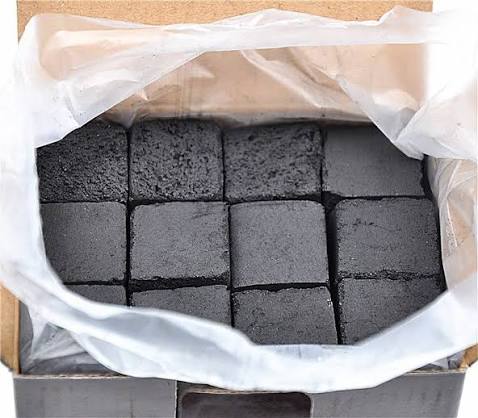
Shisha Hookah Charcoal: Types and Buying Guide
Shisha Hookah Charcoal: A Guide to Choosing the Right Charcoal
Focus Keyword: Shisha Hookah Charcoal
Introduction
Shisha hookah charcoal is an important accessory used in traditional hookah smoking. It provides the heat needed to warm shisha tobacco or other hookah mixtures, helping produce the smoke and flavor associated with a hookah session. Choosing suitable charcoal can make a difference in heat consistency, convenience, and the overall experience.
Whether you are a hookah enthusiast, a retailer, or someone exploring hookah accessories, understanding the different types of shisha hookah charcoal can help you make an informed choice.
What Is Shisha Hookah Charcoal?
Shisha hookah charcoal is a combustible material designed to provide heat for a hookah bowl. It is generally available in different shapes, sizes, and compositions to suit various hookah setups.
The two most common categories are natural coconut-shell charcoal and quick-light charcoal. Each type has different preparation requirements and characteristics.
Types of Shisha Hookah Charcoal
1. Coconut-Shell Charcoal
Coconut-shell charcoal is made from processed coconut shells. It is often sold in cubes or flat shapes and is popular among hookah users who prefer longer-lasting, relatively consistent heat.
Before use, coconut charcoal usually needs to be fully heated using a suitable charcoal burner.
2. Quick-Light Charcoal
Quick-light charcoal is manufactured to ignite more easily, making it convenient for users who want a faster setup. It typically contains ignition additives that help it light quickly.
Users should follow the manufacturer’s instructions and allow the charcoal to finish igniting before use.
How to Choose Quality Shisha Hookah Charcoal
When comparing shisha hookah charcoal products, consider these factors:
- Heat consistency: Look for products designed to provide steady heat throughout their intended use.
- Burning time: Check the manufacturer’s specifications to understand how long the charcoal is expected to burn.
- Ash production: Some products produce less ash than others, which may make cleanup easier.
- Size and shape: Choose a format compatible with your hookah bowl and heat-management device.
- Packaging and storage: Properly packaged charcoal should be kept dry and stored according to the manufacturer’s guidance.
How to Store Hookah Charcoal
Store shisha hookah charcoal in a cool, dry place away from moisture. Keep the packaging sealed when possible and store the product away from children, pets, and flammable materials.
Never store or use burning charcoal in an enclosed space. Burning charcoal produces carbon monoxide, an invisible, odorless gas that can cause serious poisoning or death.
Safety Tips for Shisha Hookah Charcoal
Charcoal creates heat and combustion gases, so safe handling is essential.
- Use charcoal only in a suitable, well-ventilated outdoor environment.
- Never burn charcoal indoors, in a bedroom, or in an enclosed room, even with windows open.
- Use appropriate heat-resistant tools when handling hot charcoal.
- Keep burning charcoal away from combustible materials.
- Allow used charcoal to cool completely in a safe, noncombustible location before disposal.
Hookah smoking also carries health risks, including exposure to toxic substances. Using charcoal does not make hookah smoking safe.
Why Shisha Hookah Charcoal Matters for Retailers
For retailers selling hookah accessories, offering different charcoal options can help customers compare product formats, sizes, packaging, and intended uses. Clear product descriptions and accurate information about lighting requirements, burn time, and storage can also help customers select products that suit their equipment.
If you sell shisha hookah charcoal online, include clear product photographs, accurate specifications, and relevant safety information on your product pages.
Conclusion
Shisha hookah charcoal is a key component of many hookah setups, and choosing the right type involves considering heat consistency, convenience, size, and storage. Coconut-shell charcoal and quick-light charcoal offer different characteristics, so reviewing product specifications can help you compare them.
For buyers and retailers alike, understanding these differences and following proper charcoal safety practices is essential.
Want to buy Shisha Hookah Charcoal Online wholesale in bulk? See our Shisha Hookah Charcoal Online wholesale wholesale product page for specifications and ordering details, or contact us on WhatsApp at +1 727 201 2398.
